House clearance in Notting Hill

Notting Hill House Clearance provides a practical house clearance service in Notting Hill for homes that need rooms, floors or entire properties cleared in an organised way. We handle household contents with care, separating reusable items, recyclable materials and general waste where that is appropriate to the job. The service suits moves, renovations, probate arrangements and other situations where a property needs to be made ready for its next stage without unnecessary disruption.
Our approach is straightforward: we assess the volume, discuss access and agree what needs to stay, what can be removed and what requires extra attention. That helps keep the process clear for homeowners, landlords, executors and agents. If you are comparing house clearance options in Notting Hill, it is useful to know which parts of the property need work, whether heavy furniture is involved, and whether the clearance should be partial or full. You can request a quotation once you have a clear outline of the job.
We can support clearances involving single rooms, lofts, basements and larger multi-room properties, with work planned around access, parking and the handling of bulky items. The right service depends on what is being removed, how much sorting is needed and whether there are items that should be protected or set aside. For a simple enquiry, it helps to note the main rooms involved, any access restrictions and whether the job needs a specific date. Please get in touch if you would like to discuss the work.
Full and partial house clearance
A clear distinction between full and partial house clearance makes it easier to plan the work properly. A full clearance is usually chosen when a property must be emptied from top to bottom, while a partial clearance focuses on selected rooms or specific categories of belongings. We handle both, and the most suitable option often depends on how much remains after items are kept, sold, donated or relocated. Clear instructions at the start help avoid delays and keep the job efficient.
Partial clearances are often useful when only certain areas need attention, such as a spare room, a cluttered hallway, an underused bedroom or a property that has already been partly sorted. In these cases, the work may involve separating usable furniture, bagging smaller items and removing awkward or bulky pieces in a controlled sequence. Full clearances usually require more careful staging, especially where there are fragile items, storage spaces or items that need to remain in place.
What is usually removed
Depending on the property and instructions, a house clearance may include furniture, boxed belongings, appliances, soft furnishings, general household contents and mixed items from storage spaces. It can also involve clearing items from cupboards, shelves, wardrobes and loft areas where contents have built up over time. Careful sorting matters because not everything should be treated the same way, and some items may need to be separated for reuse, recycling or disposal rather than removed together as one load.
Preparing a house clearance quotation

Quotations are usually easier to prepare when the scope of the job is described clearly. The main factors are the amount to be removed, the number of rooms involved, the access to the property and whether any items are unusually heavy or difficult to move. If you have a mixture of furniture, bagged items and contents from lofts or garages, it helps to mention that early so the work can be planned realistically rather than guessed at.
When you enquire, it is sensible to outline any access constraints, such as narrow staircases, limited parking, shared entrances or the need to work around residents or neighbours. It is also useful to say whether the clearance involves a flat, terrace, house or converted property, as the layout can affect the handling plan. You do not need to over-explain every detail, but a concise summary makes it easier to provide a suitable quotation and an appropriate schedule.
For a quicker conversation, keep a simple note of the rooms to be cleared, the main items present and anything that must stay on site. That kind of information helps set the right expectation from the outset. If the work is time-sensitive or tied to a wider property change, mention that when you ask for a price. You can also request a quotation once you have decided which items are part of the job and which are excluded.
Household items, furniture and bulky pieces
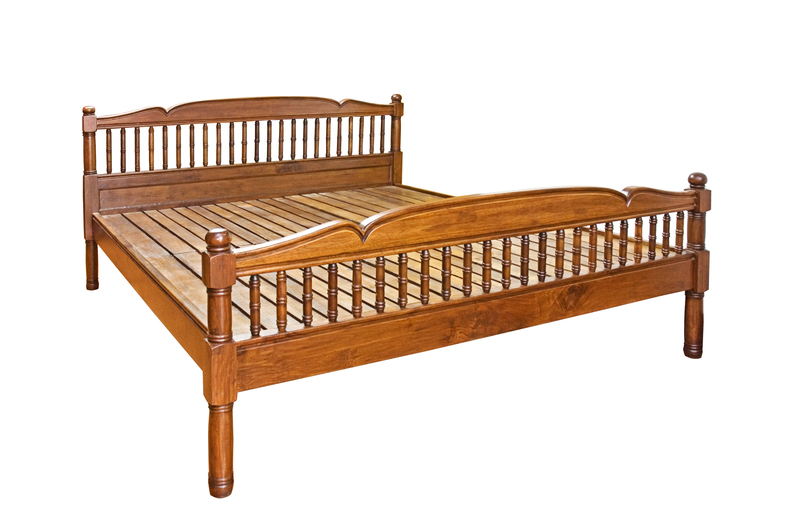
House clearance often includes large furniture and awkward household items that are inconvenient to move without proper planning. Sofas, wardrobes, tables, mattresses and shelving can require extra handling, especially where stairways are tight or rooms are partly furnished. We work through the property in a sensible order so that bulky items do not block access to smaller contents. That keeps the clearance orderly and reduces the risk of avoidable damage.
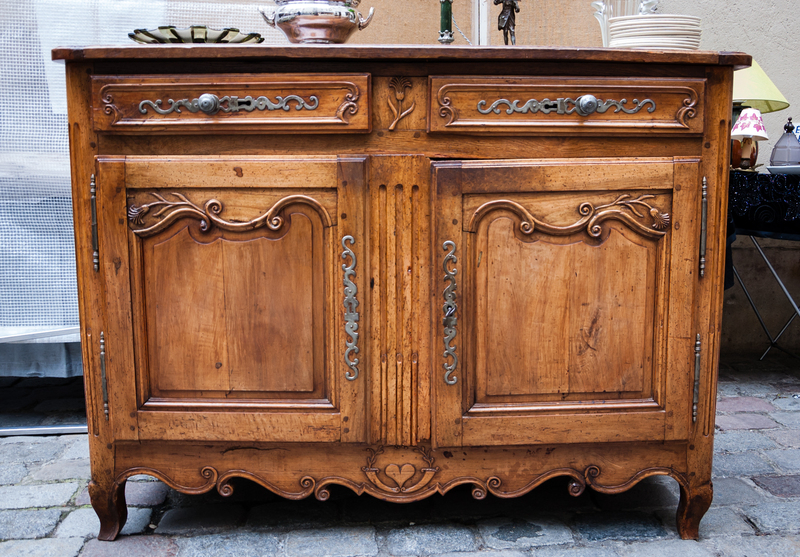
Some clearances involve a mix of older furniture, broken items and pieces that are still usable. In those cases, the removal plan can be shaped around what is to be kept, what is to be moved out and what should be treated separately. A careful sort is often better than rushing everything into one pile. It also makes it easier to decide whether particular belongings are better suited to donation, recycling or standard removal, depending on their condition and composition.
Handling rooms with mixed contents
Rooms rarely contain one type of item only, so a practical clearance approach takes account of ornaments, boxes, paperwork, soft furnishings and heavier pieces together. When the contents are mixed, we plan the sequence so that lighter or more fragile items can be protected before larger items are moved. This is especially useful in bedrooms, living rooms and dining spaces where furniture and personal belongings may be closely arranged. It helps preserve order while the clearance progresses.
Lofts, basements and storage areas
Lofts and basements often need a separate approach because access can be limited and contents may have been stored for a long time. Loft clearances may involve boxed household items, seasonal goods, old furniture or accumulated belongings that are awkward to carry down stairs. Basement clearances can add issues such as damp, low light or narrow routes. We plan these areas carefully so the work is manageable and the route out of the property stays as clear as possible.
Storage areas often contain a combination of forgotten items and things that were deliberately put aside for later sorting. That can make the job slower if the contents need to be checked one by one. In practical terms, it is often better to decide in advance whether the area is to be fully cleared or only partly sorted. Clear instructions save time and help reduce confusion once the work begins. They also make it easier to keep items that should remain in the property untouched.
If you know there are fragile boxes, inherited belongings or mixed storage contents, note that when asking for a quotation. A house clearance involving storage spaces may need more handling than a simple room-by-room removal. Tell us what is in the area, and we can shape the clearance around the access and the nature of the contents rather than relying on assumptions. That gives you a more accurate and useful plan for the work.
Reuse, recycling and responsible sorting

Responsible sorting is an important part of good house clearance work because not every item should be treated the same way. Some furniture or household goods may still be suitable for reuse, while other materials may be better directed to recycling or disposal. Where the condition of items allows it, separating them sensibly at the point of clearance can make the overall process more orderly and reduce unnecessary handling later on. This approach is especially helpful in larger or more varied clearances.
House contents can include wood, metal, textiles, plastics, glass and mixed materials, each of which may require different handling. We therefore approach the clearance as a set of decisions rather than a single removal event. That means identifying what belongs together, what should be moved separately and what needs extra care because of breakability or size. It is a methodical way to deal with rooms that contain a broad mix of belongings without overcomplicating the job.
Where appropriate, the aim is to separate useful items from general waste so the clearance is handled in a more considered way. That can include looking at whether furniture is reusable, whether a set of household goods should be grouped together, or whether certain contents are better left for a specific instruction. If you want a straightforward discussion about how the sorting will work in your property, please ask for a quotation.
Property types and access arrangements
Different property types present different practical considerations during a house clearance. A ground-floor property may allow easier loading, while a flat, maisonette or converted building may require a more careful route through shared spaces and staircases. We take access into account from the start so the clearance can be organised in a sensible sequence. That includes thinking about where items will be carried from, how they will leave the property and what needs to happen first.
Access arrangements matter just as much as the contents themselves. Parking, entry codes, shared hallways, lift availability and the width of internal routes can all affect how a clearance is carried out. If the property has restricted access or limited outside space, it is useful to mention that when you request a quotation. The more clearly the access is described, the easier it is to plan the work without surprises on the day.
- Flats and maisonettes may need attention to shared access routes.
- Houses with lofts or basements can involve extra carrying and sorting.
- Properties with limited parking may need a more compact loading plan.
About Notting Hill

Notting Hill is a district in west London known for its layered history, distinctive residential streets and long association with markets, cinema and street culture. It lies within the Royal Borough of Kensington and Chelsea and is closely identified with the W11 postcode, although the name is also used more broadly for the surrounding neighbourhood. The area developed significantly in the nineteenth century, with many terraces, squares and mansion blocks reflecting the planned expansion of London westwards. Several streets retain a recognisable Victorian and stucco-fronted character, and the garden squares remain an important part of the local urban pattern. Portobello Road is among the best-known streets, with a market that has become closely associated with antiques, fashion and food trading. The district also has strong cultural associations through the annual carnival, one of the largest street festivals in Europe, which draws on Caribbean heritage and has shaped the area’s public identity for decades. Beyond the market and carnival, Notting Hill has a mix of independent shops, cafés, cinemas and residential streets that give it a layered urban feel rather than a single commercial centre. Nearby green spaces and smaller squares add to the local fabric, while the transport connections make the district part of a wider west London network. Its architecture, street life and history together create a place that is both recognisable and varied, with a character that has changed over time while keeping clear traces of its earlier development.
Why a planned clearance saves effort
A planned house clearance is usually more efficient than trying to tackle rooms without a clear order. When the sequence is thought through in advance, larger pieces can be moved without blocking smaller items, and the property remains easier to navigate. That is useful for homes with a mixture of furniture, stored belongings and items that need to be checked individually. Planning also makes it easier to respect anything that must stay in place while the rest of the property is cleared.
Many customers find it helpful to decide on the main priorities before the work starts. For example, one room may need to be cleared first so that the others can be accessed, or a loft may need to be emptied before heavier items on the ground floor are moved. In other cases, the important decision is whether the clearance should focus on the biggest items first or on a room-by-room progression. Both approaches can work; the better choice depends on the property and the contents.
Key choices before the job begins
Three practical questions tend to shape the job most clearly: what is staying, what is going, and what needs special handling. Once those are decided, the clearance becomes much easier to organise. If you are preparing a property for sale, letting or renovation, you may also want to know which spaces must be left accessible at the end of the work. A brief conversation at the quotation stage usually covers these points well enough to avoid confusion later.
Business waste removal for property-related work

Alongside domestic clearance, we also support business waste removal where a property or workspace needs non-office items cleared in a structured way. This can suit small commercial premises, mixed-use buildings, storage rooms or offices that contain furniture and general contents needing removal. The important thing is to define the scope carefully, because a business setting often has different access, timing and handling needs from a household. Clear instructions at the outset help keep the work organised and appropriate.
Business-related removal may involve desks, chairs, shelving, packaging, archived items or miscellaneous contents left behind after a move or reorganisation. The same basic principle applies: identify what is to be removed and what must stay, then plan the work around the available access. If there are restrictions on entry times, shared corridors or loading arrangements, mention them in your enquiry so the quotation reflects the real conditions rather than a best guess. You can still ask for a quotation even if the job is only partly defined.
Our service pages also cover related clearance and removal options such as home clearance, house clearance, flat clearance, loft clearance and garage clearance, which may help you compare the right type of work for your property. If you want to discuss a specific clearance in Notting Hill, contact us to request a quotation.
Clearance for furniture, gardens and wider waste
Not every job is a full property clearance, and sometimes the requirement is narrower. Furniture clearance can be the right choice when bulky items are the main issue, while garden clearance may suit outdoor furniture, plant waste or mixed exterior contents. We also handle waste removal where a property has miscellaneous items that need to be taken away efficiently. Choosing the right service helps the quotation reflect the actual job rather than a broader estimate that is not relevant.
These services are often linked in practice because a property may need several types of removal at once. For example, a household could need a room cleared, a few pieces of furniture moved out and some general waste removed from a storage space. In that case, the clearer the description, the easier it is to decide how the work should be grouped. A concise summary of the main items and the spaces involved is usually enough to start the process.
Where there are mixed contents, the best approach is usually to separate the main categories before the clearance starts. That can make furniture easier to remove, simplify the handling of general waste and avoid confusion over what should remain on site. If you are unsure which service fits best, a short description of the property and items is often enough for us to help you choose the right clearance option.